

Global Flyways Series Featuring PBHJV Takes Flight

2026-10-12T20:54:11+00:00October 12th, 2026|Bird Conservation, Collaboration, Habitat Conservation, Strategic Communications|

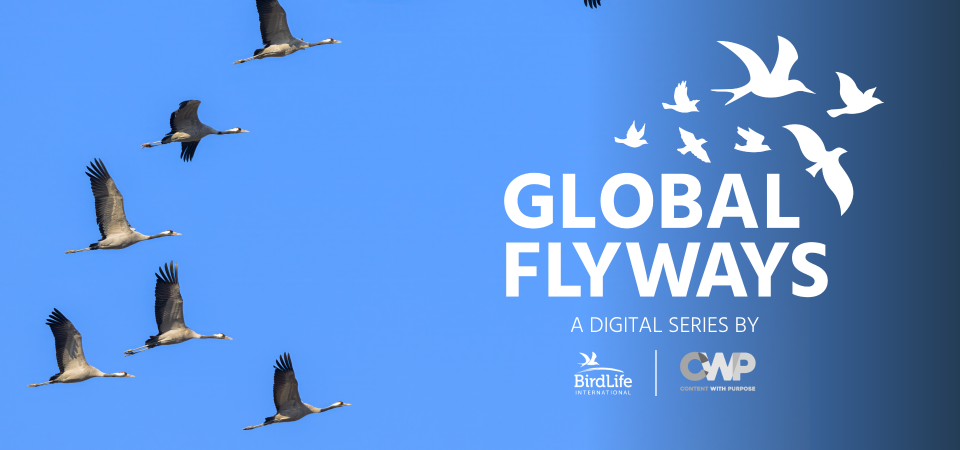
Pacific Birds Habitat Joint Venture (PBHJV) is featured in BirdLife International's Global Flyways video series! This series highlights the extraordinary journeys of migratory birds and the global efforts to protect the interconnected chain of habitats they rely upon. Each video focuses on a different conservation project from across the globe to illustrate both what’s at [...]
Steps to Water Stability in Western Kansas

2026-09-01T18:31:34+00:00September 1st, 2026|Adaptive Management, Collaboration|

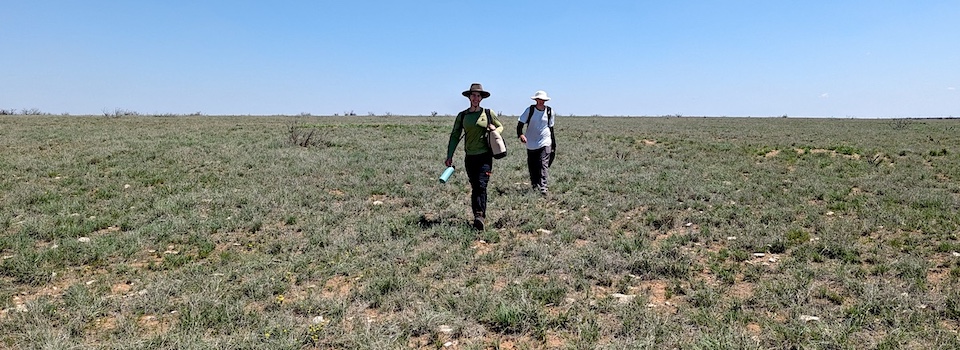
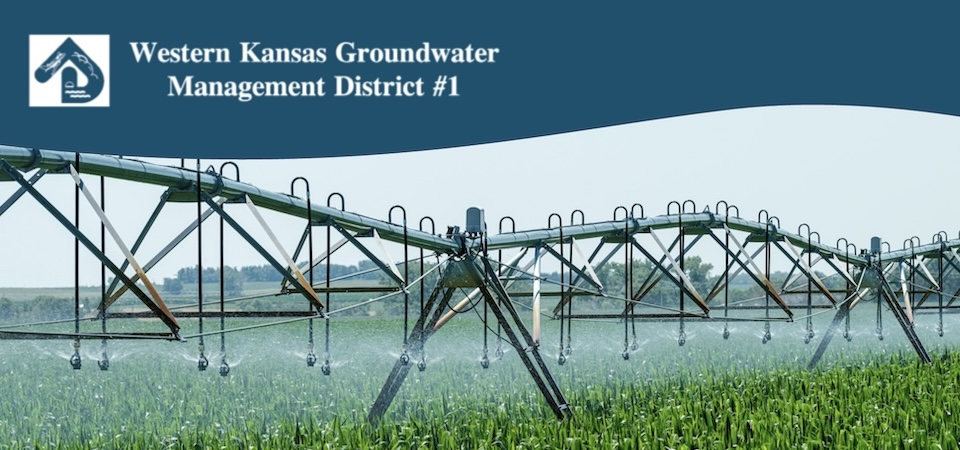
In western Kansas, water isn’t a background issue. It’s the issue. It determines whether crops can be grown, whether livestock operations can operate or even expand, and whether small towns can count on a reliable drinking water supply. And for a region with limited surface water, it also determines what the next generation inherits. That’s [...]

PHJV Target Landscapes Benefit Threatened Lesser Yellowlegs

2026-07-01T21:31:11+00:00July 1st, 2026|Bird Conservation, Collaboration, Habitat Conservation|

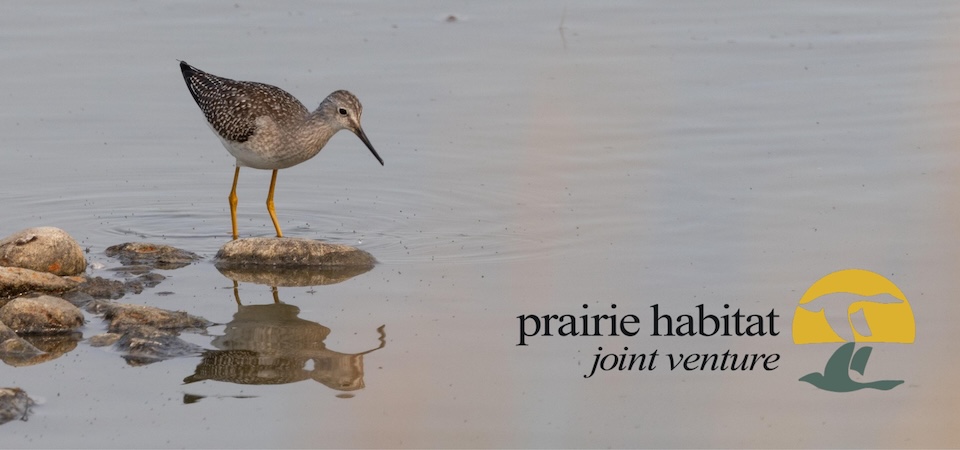
Shorebirds in the Prairie Region of Canada have experienced long-term declines, including the threatened Lesser Yellowlegs, which has declined by 70% since 1970. Partners in our Prairie Habitat Joint Venture (PHJV) Science Committee are working to ensure that target landscapes include much needed habitat for Lesser Yellowlegs and other shorebird species. Lesser Yellowlegs breed in [...]

Where Have all the Eiders Gone?

2026-05-21T20:03:51+00:00May 7th, 2026|Bird Conservation, Collaboration, Research|

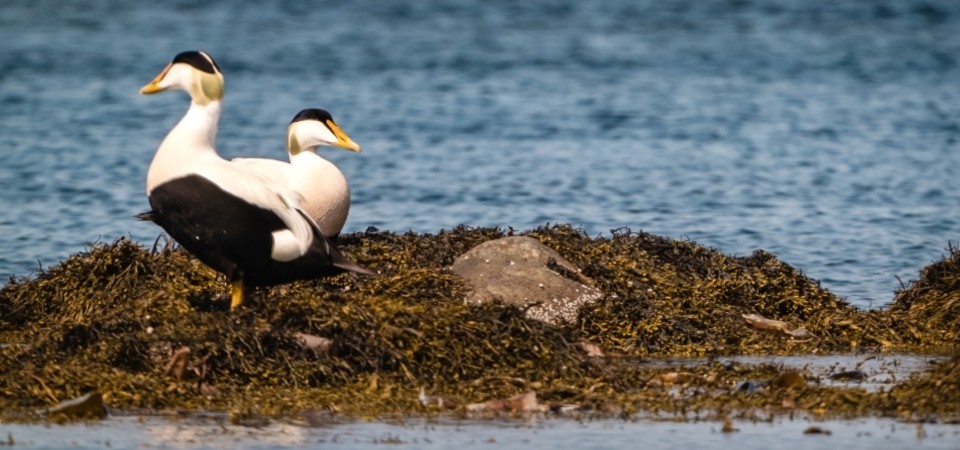
Since 2021, the Sea Duck Joint Venture has supported a large-scale collaborative research project to deploy Argos satellite tracking devices on American Common Eiders (Somateria mollissima dresseri). Eider populations have been declining across the southern part of their breeding range since the early 21st century. These changes are hypothesized to be caused by the rapid [...]

Conservation Through Collaboration: The Gulf Coastal Plain Ecosystem Partnership

2026-05-21T20:03:51+00:00March 5th, 2026|Collaboration, Habitat Conservation|

The Gulf Coastal Plain Ecosystem Partnership (GCPEP), formed in 1996, brings together 19 public and private partners to conserve and restore the longleaf pine ecosystem and unique aquatic resources of northwest Florida and southern Alabama. Together, these partners own and manage nearly 1.3 million acres, including 70% of the world’s remaining old-growth longleaf pine habitats, [...]

JV8 Central Grasslands Conservation Initiative Unveils New Website

2026-05-21T20:03:51+00:00February 3rd, 2026|Collaboration, News|

The JV8 Central Grasslands Conservation Initiative is excited to announce the official launch of its newly redesigned website JV8.org. The JV8 Central Grasslands Conservation Initiative is a long-term collaborative effort by eight Migratory Bird Joint Ventures (JVs) working together to implement grassland conservation from Mexico to Canada. The redesigned website offers a blueprint for expanding [...]

Long-term Bird Data Collection Yields Insights for the Future

2026-05-21T20:03:51+00:00September 25th, 2023|Bird Conservation, Collaboration, Research|

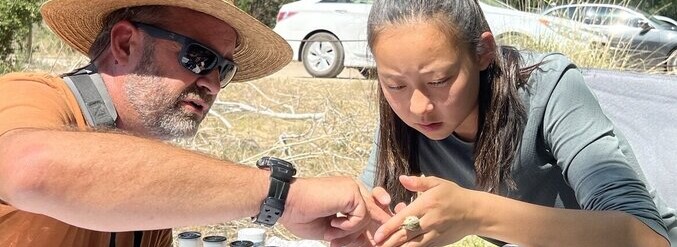
The Sonoran Joint Venture has been supporting long-term ecological monitoring for decades. This spring we partnered with the Tucson Audubon Society (TAS) and the Bureau of Land Management (BLM) to revive a Monitoring Avian Productivity and Survivorship (MAPS) bird banding station in the Las Cienegas National Conservation Area in southeast Arizona. This station was previously [...]

Declining Grassland Bird SAFE Incentives in the Prairie Pothole JV Landscape

2026-05-21T20:03:51+00:00May 3rd, 2021|Bird Conservation, Collaboration|

The State Acres for Wildlife Enhancement (SAFE) practice within the Conservation Reserve Program (CRP) is an innovative approach which allows state fish and wildlife agencies, along with their federal and NGO partners, to define priority species and landscapes for practice delivery. North Dakota has several designated SAFE projects, but among the most relevant to the [...]

Go to Top