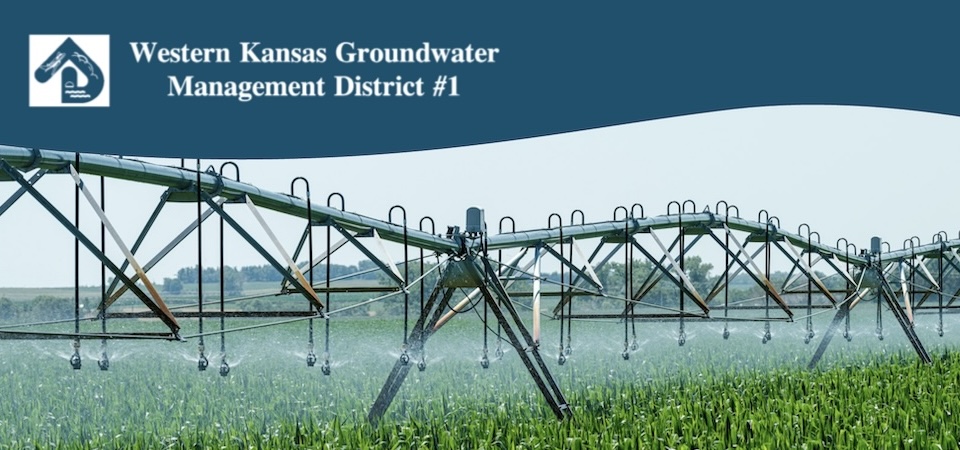


On any given agricultural operation, water conservation can look very different. That flexibility is exactly the point of the Groundwater Recharge and Sustainability Project (GRASP) in Wichita and Greeley counties, Kansas. This project is part of the NRCS Regional Conservation Partnership Program (RCPP) which funds solutions to natural resource challenges.
Rather than pushing a single solution, the program is built around a mix of options that producers can choose from based on what works for their land, their water and their bottom line. From improving irrigation efficiency to adopting soil health practices, whether it’s retiring wells or restoring playas, GRASP is designed to meet producers where they are.
“It’s really about bringing everything together at the same time,” said Matt Smith, Playa Lakes Joint Venture Conservation Delivery Manager. “Water reduction through irrigation technology, retiring wells, restoring playas – it’s putting all those pieces together in a concerted effort.”
That approach reflects a reality producers know well. There is no single fix to water challenges. Instead, progress comes from layering multiple practices together over time.
“This is an all-hands-on-deck issue,” Smith said. “It’s going to take everything we have working together.”
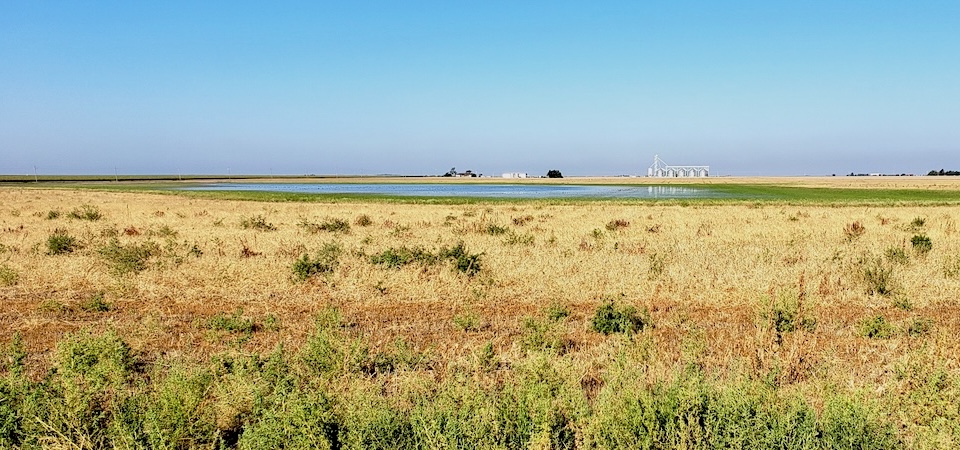
For some producers, that might mean taking a marginal well out of production. For others, it’s investing in practices like no-till or cover crops to improve water infiltration and soil health. Landowners with playas have another option. Restoring those natural systems to help recharge the aquifer.
“It really depends on their situation,” Smith said. “There are multiple ways to approach it.”
Though not part of GRASP, one of the biggest areas of interest has been helping producers better understand their current water use. Tools like Irrigation Technology Initiatives (ITI) System Evaluations, implemented by local Groundwater Management Districts (GMDs), have proven especially valuable. These evaluations are designed to assess irrigation system efficiency across an operation, giving producers clearer insight into where improvements can be made.
“They’ve been very eye-opening,” Smith said. “That’s something producers are really utilizing.”
Still, participation varies across practices. Some, like no-till and cover crops, are already widely adopted and easy to integrate. Others, including playa restoration, are newer to many producers and require additional outreach and support to gain traction. Limited funding also continues to shape how many operations can take part, particularly when it comes to well retirement.
“Funding is always a challenge,” Smith said. “And sometimes programs aren’t always tailored to fit what producers actually need.”
Another hurdle is simply connecting people with the right information at the right time.
“There’s a lot out there,” he said. “But getting the right information into the right hands – that’s a real challenge.”
Even so, interest is growing as awareness increases and more producers begin to see how different practices can work together within their own operations.
Looking ahead, the long-term impact of GRASP will be measured not just by adoption, but by how those lessons carry forward.
“Success looks like taking what we’ve learned and incorporating it into the next effort,” Smith said.
That next effort is already taking shape through Playa Lakes Joint Venture’s Tomorrow’s Water, a broader, landscape-scale initiative built on the foundation GRASP has helped establish – and expanding these on-the-ground solutions even further across Kansas and the broader region.
Top photo by Abe Lollar.