

Alaska Shorebird Plan, Version III

2019-06-12T17:24:12+00:00May 12th, 2019|Planning|

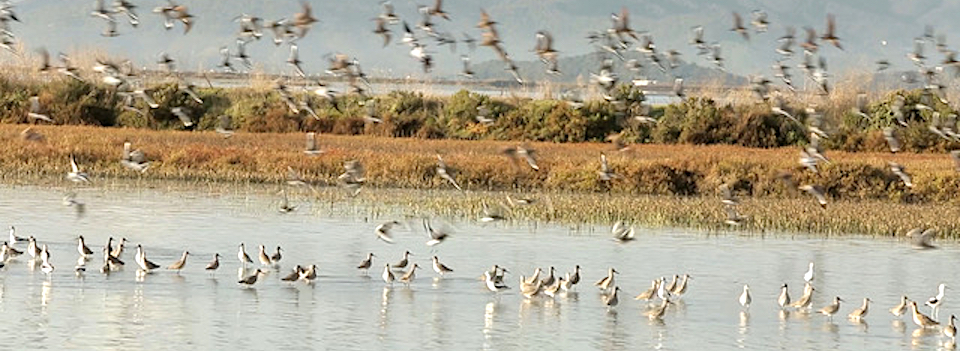
"Alaska’s immense size, diverse habitats, and position at the terminus of several migratory flyways make it a critical region for breeding and migrating shorebirds. Seventy-seven species of shorebirds have been recorded in Alaska—over one-third of the world’s species." - From the Plan's Executive Summary About half of Alaska's breeding shorebirds are thought to be in [...]

Colorado Collaborative to Benefit Birds and Agriculture

2019-06-12T17:22:57+00:00May 9th, 2019|Bird Conservation, Habitat Conservation|

Colorado is putting its best foot forward with boots on the ground for conservation. The Bird Conservancy of the Rockies is partnering with the Natural Resources Conservation Service (NRCS), Colorado Parks and Wildlife, National Fish & Wildlife Foundation, USFWS-Partners for Fish & Wildlife, Ducks Unlimited, and the Intermountain West Joint Venture (IWJV) in the name of [...]

Studying the Human Dimensions of CRP Participation

2019-05-13T22:39:46+00:00May 6th, 2019|Human Dimensions|

What drives landowner decisions to re-enroll in or exit the USDA Conservation Reserve Program (CRP)? What happens on fields that are not re-enrolled in the program? A new study report brings together data from 700 survey responses, 3 focus groups in 3 states, 27 landowner interviews, and 3.5 months of observational field research to provide [...]

Pilot Projects Address Black Rail Population Declines

2019-05-14T18:46:35+00:00April 18th, 2019|Species Recovery|

Hiding deep in the marsh, inaccessible to even the most dedicated birders and researchers, Black Rails have kept much of their ecology a secret for centuries. Now the species is facing alarming declines and solutions are urgently needed to stabilize the population. Given how little is known about the species and their habitat, the Atlantic [...]

Waterfowl Plan Update Available Here

2019-05-14T01:15:07+00:00February 6th, 2019|Bird Conservation, Human Dimensions|

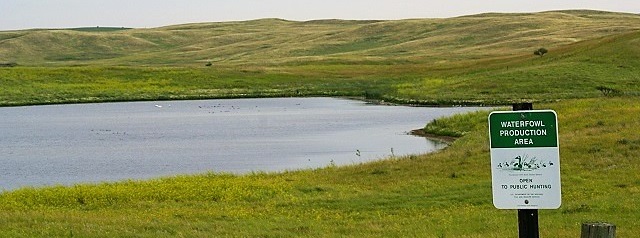
For 32 years the North American Waterfowl Management Plan (NAWMP) has been a model of international conservation and a beacon of success for wildlife conservation practitioners and enthusiasts worldwide. As the mechanism that established joint ventures, the Plan focuses on waterfowl, their habitats, and the people who value them. Recently released, the 2018 Update remains [...]

Recovery of Scripps’s Murrelets at Channel Islands National Park

2019-06-19T17:30:17+00:00August 30th, 2018|Research, Species Recovery|

By Amelia DuVall, Seabird and Habitat Restoration Ecologist, California Institute of Environmental Studies This article was originally published by the Sonoran Joint Venture and reposted with permission. Scripps’s Murrelets typically lay two-egg clutches. Chicks spend just two days in the nest before heading out to sea with parents (photo courtesy of Darrell Whitworth). On a [...]

Conserving “In Perpetuity” Doesn’t Just Happen

2018-08-03T15:05:08+00:00August 1st, 2018|Collaboration|

Post by Lynn Fuller and originally published by Pacific Birds Habitat Joint Venture As a Habitat Joint Venture, Pacific Birds promotes habitat conservation and we often report on exciting new acquisitions, easements or restorations undertaken by our land trust partners. Recently we took a look at what is involved after that to ensure that conservation lands are preserved in [...]

Recharging a New Mexico Community Through Playa Restoration

2019-05-13T23:03:08+00:00July 30th, 2018|Collaboration|

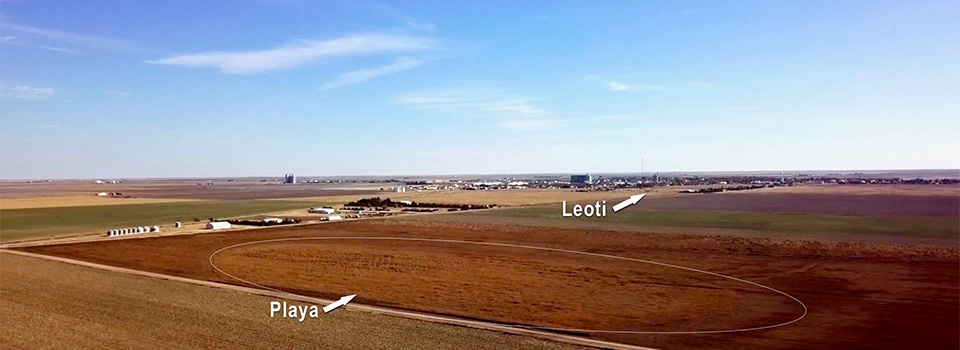
In June, the City of Clovis and Playa Lakes Joint Venture (PLJV) formalized their partnership with a joint resolution to provide public education about the significance of playas to groundwater recharge and wildlife habitat and to restore playas in Curry County, New Mexico, so they can better provide those benefits. The resolution was signed by [...]

New Interactive Story Map Illustrates Innovation

2018-07-18T17:11:10+00:00July 11th, 2018|Habitat Conservation, Strategic Communications|

Stories of people working together to put aside differences and boost their community’s natural and economic health often go unnoticed beyond the local newspapers and cafes. However, many successful landscape conservation partnerships involving rural communities and multiple agencies and partners are quietly underway in sagebrush ecosystems across the West -- yielding positive results for our [...]

Go to Top