

Guide Enhances Understanding of Farm Bill Conservation Programs

2017-02-12T01:08:59+00:00November 6th, 2015|Bird Conservation, Habitat Conservation, Species Recovery|

The 2014 Farm Bill Field Guide to Fish and Wildlife Conservation is a collaborative effort by conservation partners that provides a new tool for those who work with private landowners and agricultural producers in adopting conservation practices included in the 2014 Farm Bill. It provides biologists, range conservationists, foresters, and others with a road map [...]

Keeping It Together: Large Landscape Conservation in the Upper Green River

2017-02-12T01:09:00+00:00February 20th, 2015|Collaboration, Habitat Conservation, News|

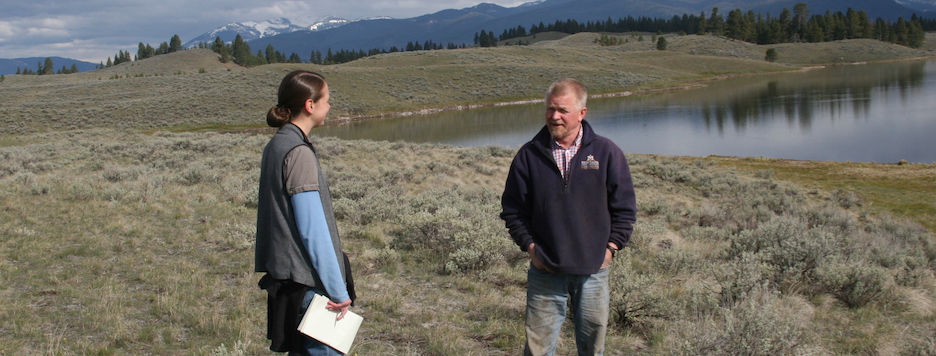
From a hilltop vantage, members of the IWJV’s Management Board and State Conservation Partnership looked across the North Cottonwood Ranch near Daniel, Wyoming. For nearly as far as the eye can see, the group was witnessing over 15,000 acres of vital wetlands and uplands protected in perpetuity. The North Cottonwood Ranch conservation easement is one [...]

Restoring Coal-mined Lands to Create Habitat for Imperiled Birds

2017-02-12T01:09:00+00:00March 4th, 2014|Bird Conservation, Habitat Conservation|

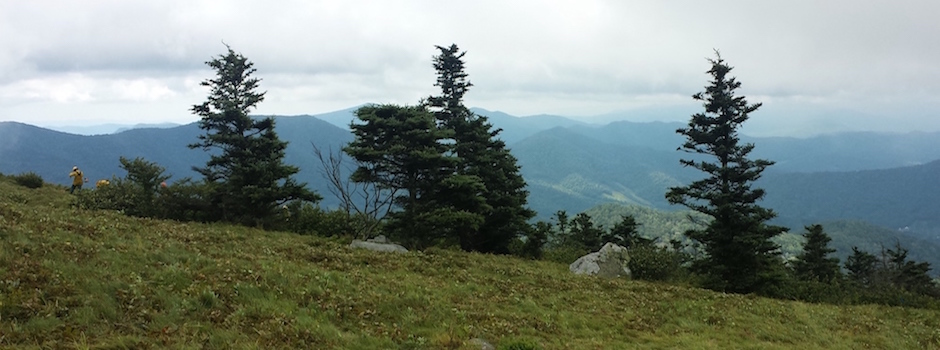
Appalachian Mountain Joint Venture (AMJV) and the Appalachian Regional Reforestation Initiative are partnering to re-establish habitat on previously mined land to improve breeding habitat for declining bird species in the Appalachian Region. This collaboration is replanting trees on disturbed sites in heavily populated bird areas to restore habitats after mining activity. These restoration efforts will benefit [...]

Forest Management Guidelines for Cerulean Warblers

2017-02-12T01:09:00+00:00March 4th, 2014|Bird Conservation, Collaboration, Habitat Conservation, News, Planning|

The Appalachian Mountain Joint Venture worked with partners to develop new Forest Management Guidelines for improving the condition of Appalachian hardwood forests for Cerulean Warbler. This species’ population has plummeted by nearly 70% over the last half century, with the loss and degradation of large areas of mature deciduous forest contributing to those declines. The [...]

Go to Top