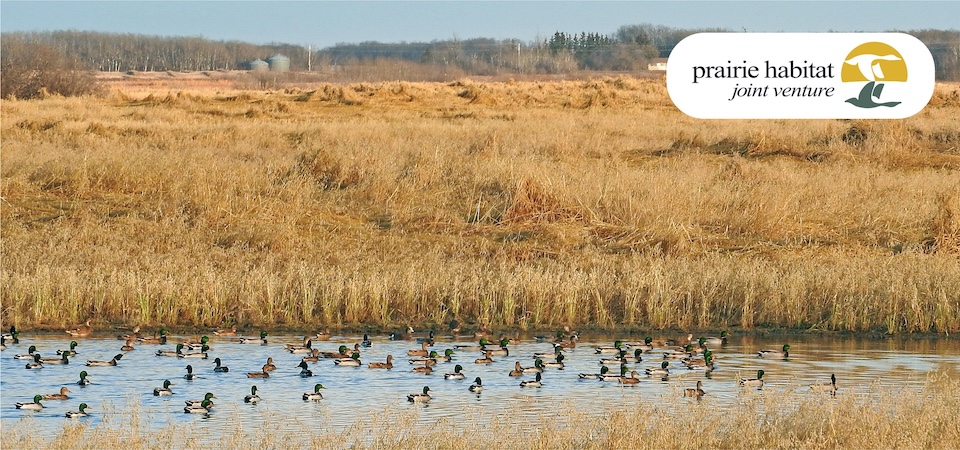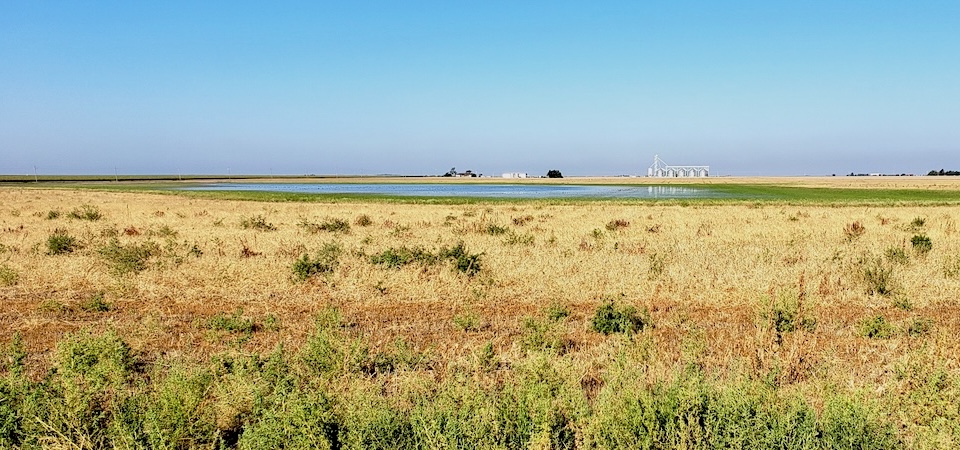


Every spring, the Prairie Pothole Region (PPR) teems with duck calls and wings splashing on water. Shallow ponds glisten amidst rolling grasslands and farmlands, filled with waterfowl returning from the south to nest and raise their young. Spanning Montana, the Dakotas, Minnesota, Iowa, and southern Canada, the PPR is often called the cradle of North American ducks. Millions of mallards, pintails, and teal begin their lives here, and come fall, they embark on a migratory journey that ties together landscapes and people across an entire continent.
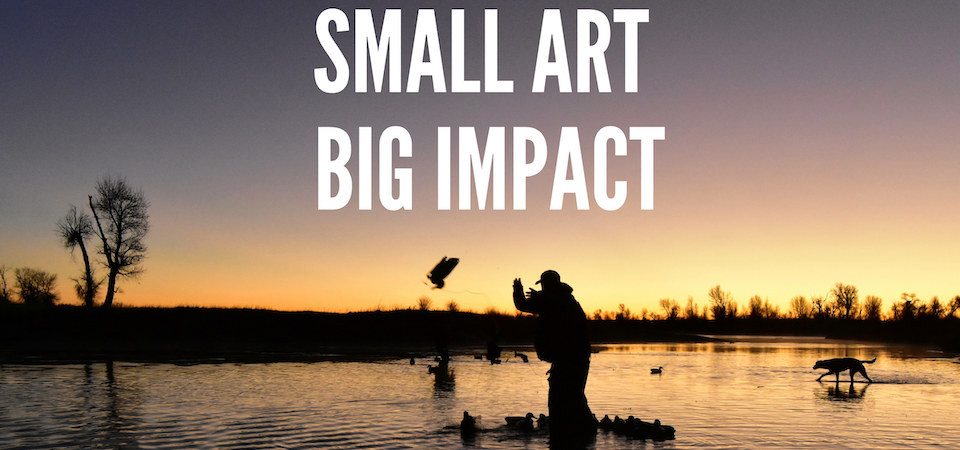
This migratory web depends on a mosaic of wetlands scattered from north to south that provide breeding habitat, migration pathways (or stopover sites), and wintering areas. Ranchers, hunters, recreationists, and conservationists work collectively to conserve habitats for future generations of waterfowl and people. Their conservation efforts receive funding through a postage stamp-sized piece of art known as the Federal Duck Stamp.
Each year, a new painting graces the stamp. In 2025, three buffleheads skim over a moody wetland painted by Minnesota artist Jim Hautman, marking his seventh win in a tradition that uses art to spark conservation. Since 1934, sales of the stamp—required for all waterfowl hunters—have generated more than $1.3 billion to conserve wetlands and grasslands within the National Wildlife Refuge System and provide funding for voluntary private lands conservation. Beyond just hunters, the stamp also grants birders and recreationists access to all refuges across the country. Those funds ripple far beyond the PPR, protecting habitat from the northern prairies to the southern bayous.
Read more on Prairie Pothole JV website >>
Photo by Tom Koerner, USFWS